ATTR-CM Efficacy

HELIOS-B Efficacy

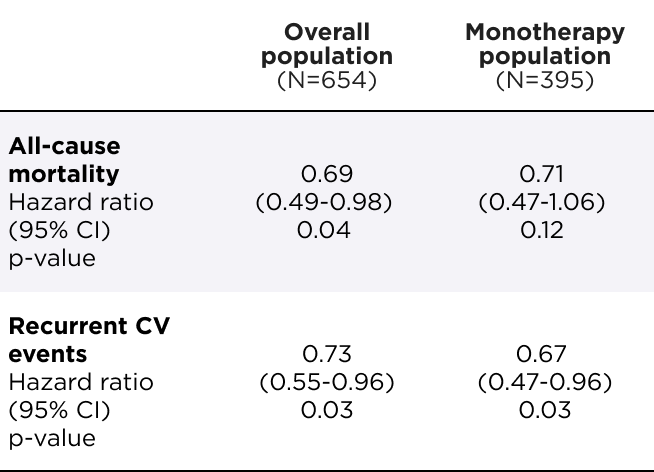
AMVUTTRA® significantly reduced the risk of ACM and recurrent CV events1

Primary composite endpoint analysis through 33-36 months1 

28 percent icon28 percent icon
OVERALL POPULATION

RRR of ACM and recurrent CV events

(N=654)

[HR=0.72 (95% CI: 0.55–0.93); p=0.01]


NNT of 4*

33 percent icon33 percent icon
MONOTHERAPY POPULATION

RRR of ACM and recurrent CV events

(N=395)

[HR=0.67 (95% CI: 0.49–0.93); p=0.02]


NNT of 3*

Components of the Composite1,2
Chart showing components of the compositeChart showing components of the composite
ACM=all-cause mortality; CI=confidence interval; CV=cardiovascular; HR=hazard ratio.
The majority of deaths were CV-related (77%).1
Analysis for components of the composite not adjusted for multiplicity.3

Heart transplant and left ventricular assist device placement are treated as death.

*During the 33-36 month DB period, NNT=3.4 in the overall population and 2.7 in the monotherapy population. ARR (per 100 patient-years) was 9.9 in the overall population and 12.5 in the monotherapy population.2

ACM=all-cause mortality; ARR=absolute risk reduction; CI=confidence interval; CV=cardiovascular; DB=double-blind; HR=hazard ratio; NNT=number needed to treat.
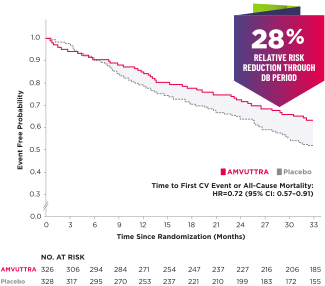
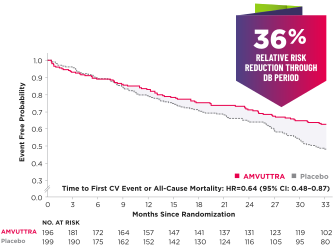
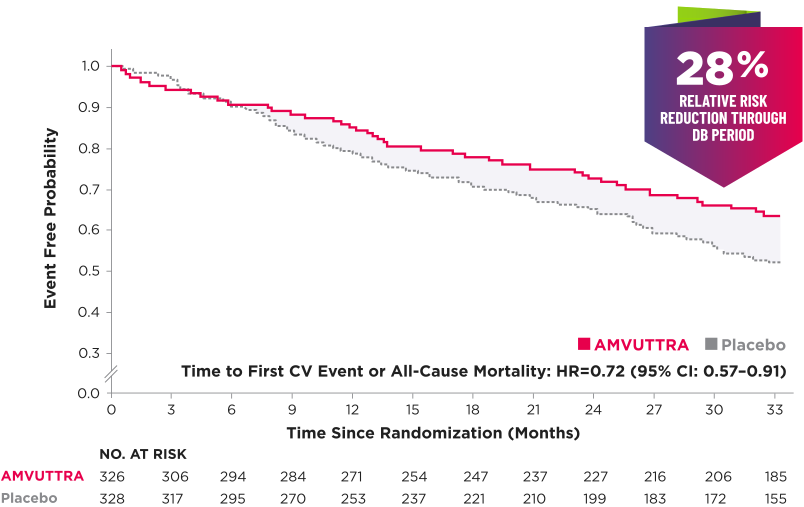
AMVUTTRA significantly reduced the risk of ACM and recurrent CV events 1-3

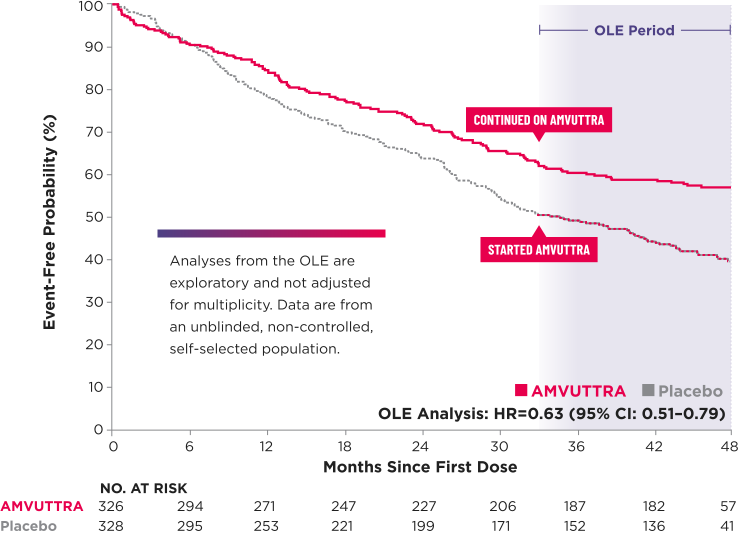
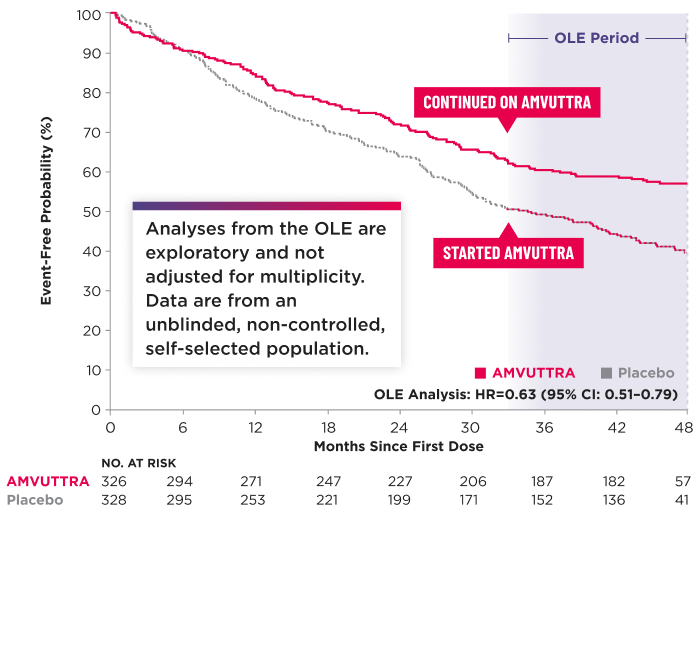
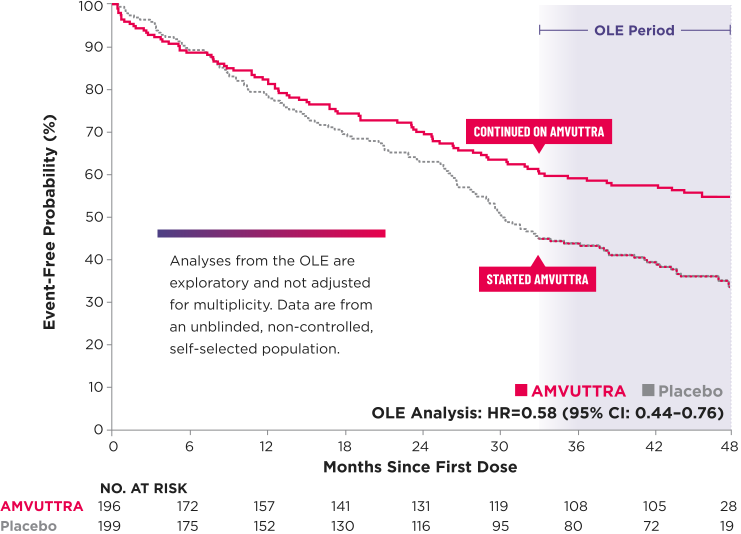
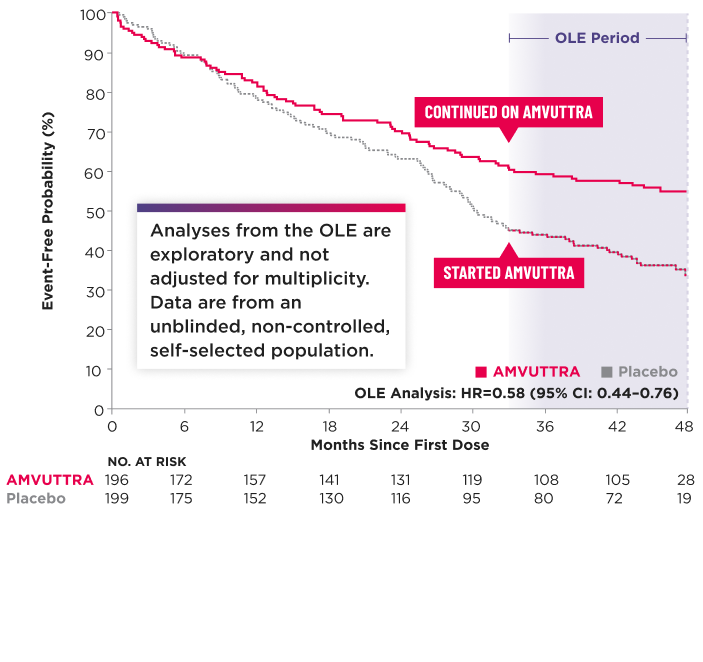
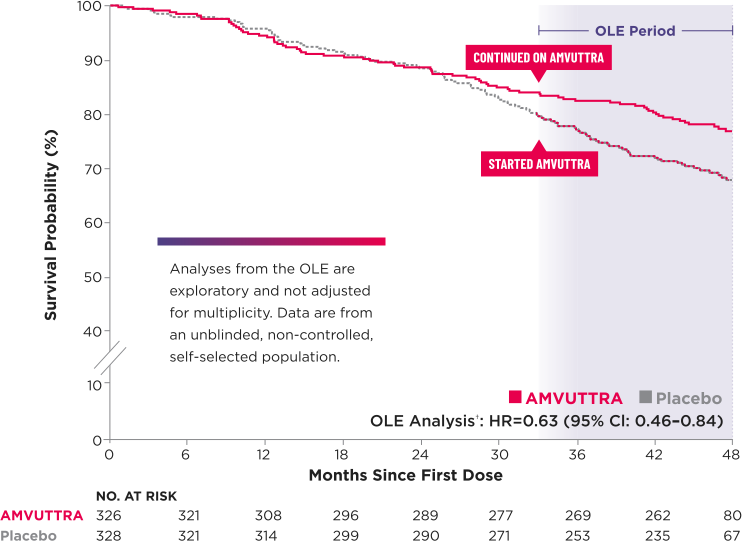
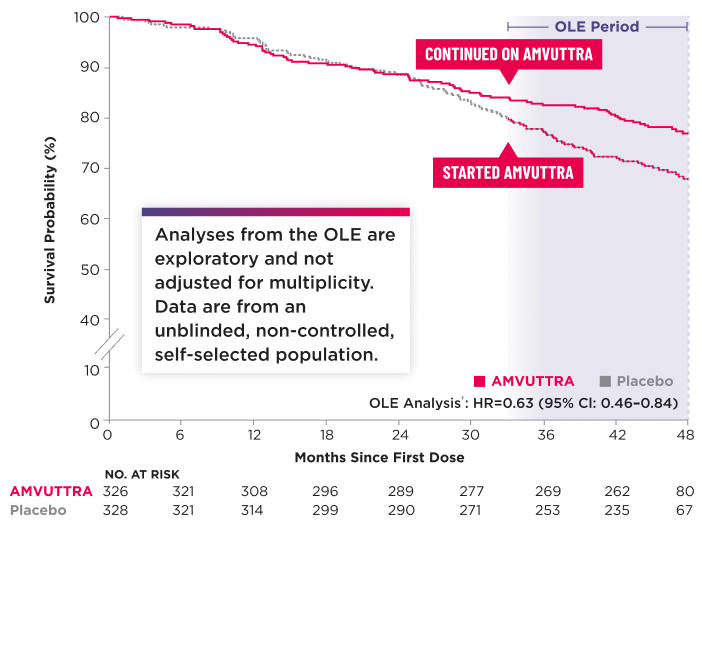
OLE data for TTE

Time to First CV Event or All-Cause Mortality2,3*†‡
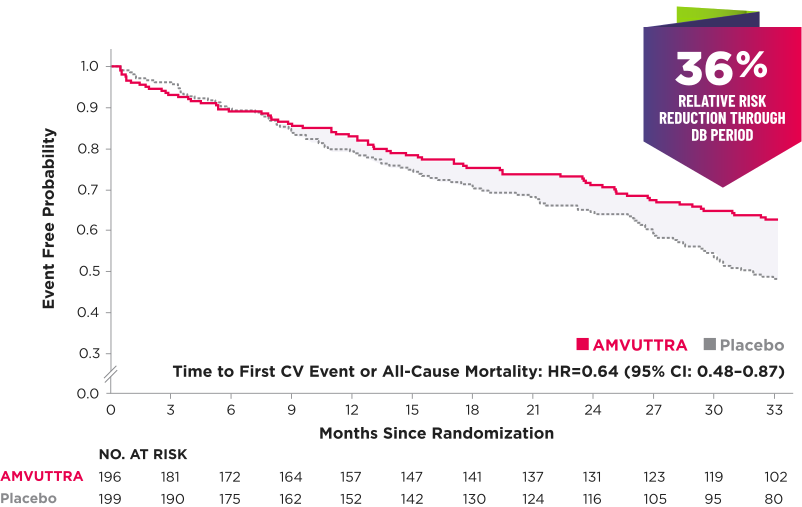
Chart showing all-cause mortality (monotherapy population)Chart showing all-cause mortality (monotherapy population)

*The Kaplan-Meier curves are unadjusted for baseline imbalances in disease-severity characteristics.3

Heart transplantation and left ventricular assist device placement are treated as death. HR and 95% CI are based on a Cox proportional-hazards model.1

Data were censored at each patient's first dose in the OLE, which could occur at approximately 33 or 36 months, depending on the patient's enrollment time. For patients who did not enter the OLE, data were censored at their study discontinuation date.3

CI=confidence interval; CV=cardiovascular; DB=double-blind; HR=hazard ratio; OLE=open-label extension; TTE=time to first event.

*The Kaplan-Meier curves are unadjusted for baseline imbalances in disease-severity characteristics.3

Heart transplantation and left ventricular assist device placement are treated as death. HR and 95% CI are based on a Cox proportional-hazards model.1

Data were censored at each patient's first dose in the OLE, which could occur at approximately 33 or 36 months, depending on the patient's enrollment time. For patients who did not enter the OLE, data were censored at their study discontinuation date.3

CI=confidence interval; CV=cardiovascular; DB=double-blind; HR=hazard ratio; OLE=open-label extension; TTE=time to first event.

OLE data for TTE 


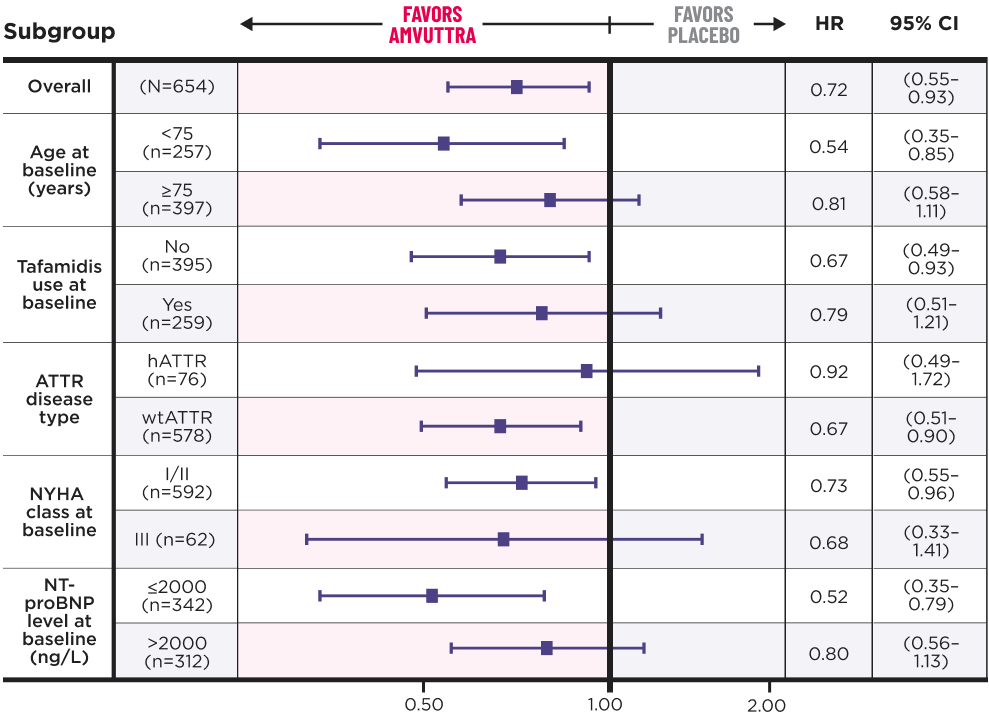
AMVUTTRA achieved consistent results across all prespecified subgroups1
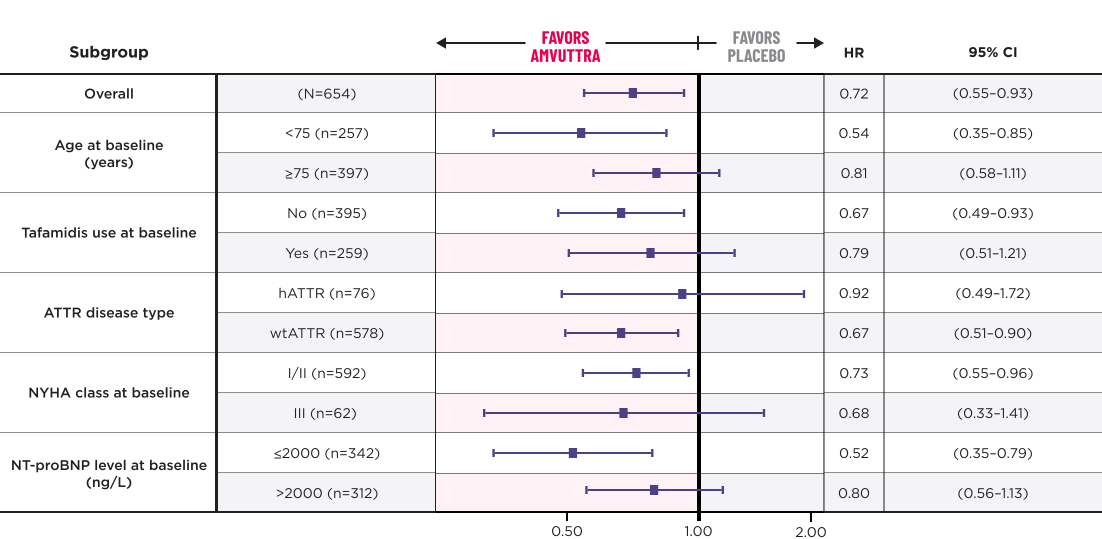
Subgroup Analyses of the Composite of ACM and Recurrent CV Events (Overall Population)1*
Subgroup analyses of the primary endpointSubgroup analyses of the primary endpoint
Subgroup analyses may be limited by small patient numbers and are not powered to detect statistical significance.
*HR and 95% CI are based on modified Andersen-Gill model analyses.1
ATTR=transthyretin-mediated amyloidosis; CI=confidence interval; hATTR=hereditary ATTR; HR=hazard ratio; NT-proBNP=N-terminal prohormone of brain‑type natriuretic peptide; NYHA=New York Heart Association; wtATTR=wild-type ATTR.
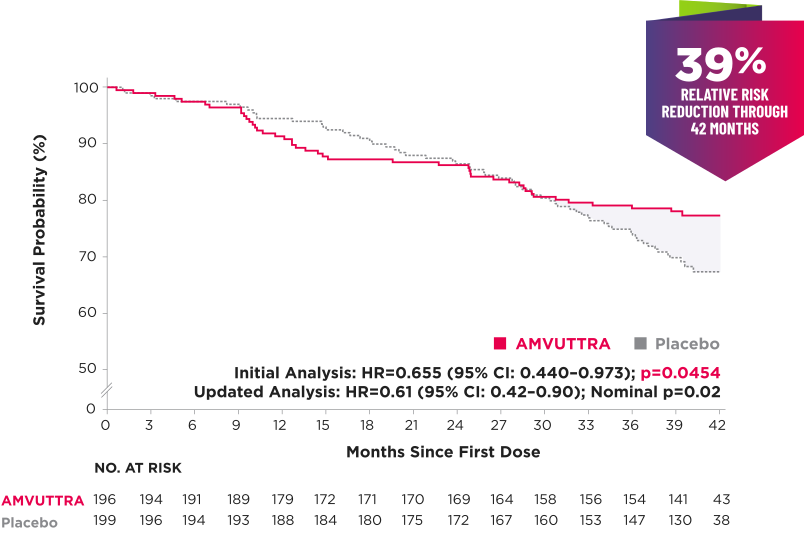
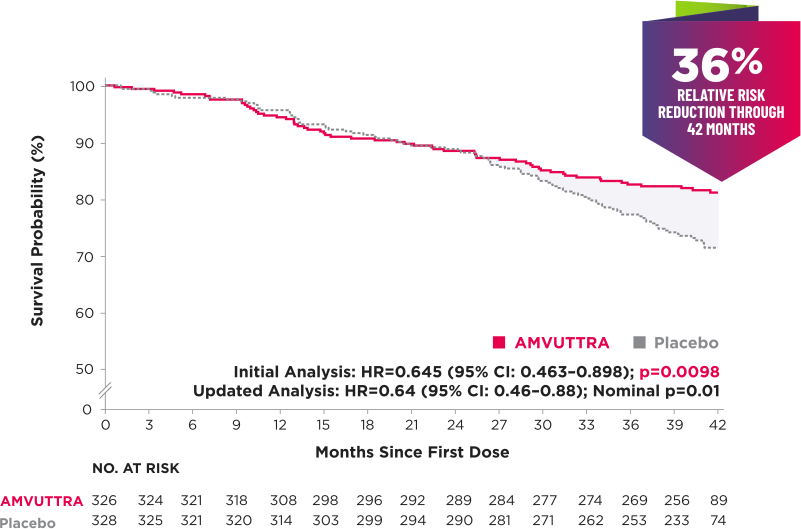
AMVUTTRA significantly reduced the risk of ACM3
A key secondary endpoint was ACM through 42 months, which included up to 36 months of the DB period plus 6 months of the OLE.3

At the end of the DB period, all remaining patients on placebo transitioned to AMVUTTRA treatment in the OLE.3 
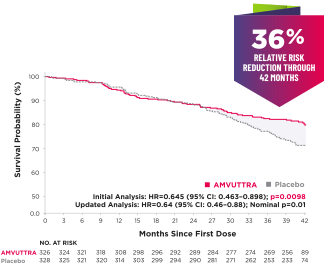
OLE data for ACM

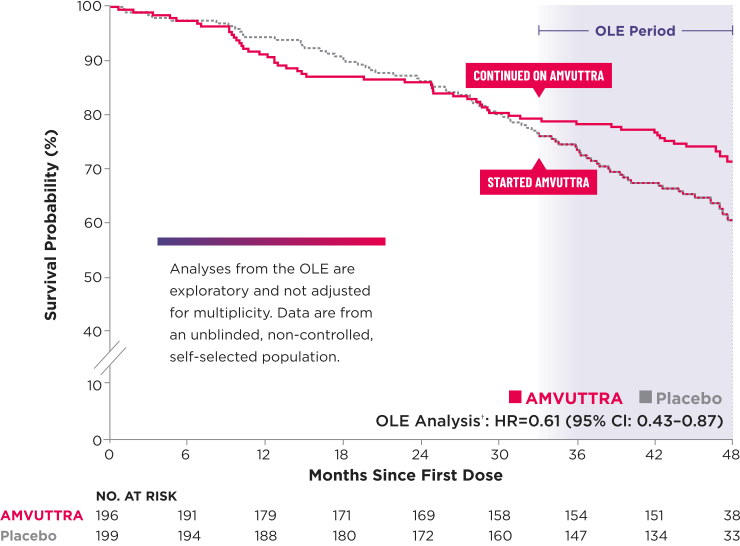
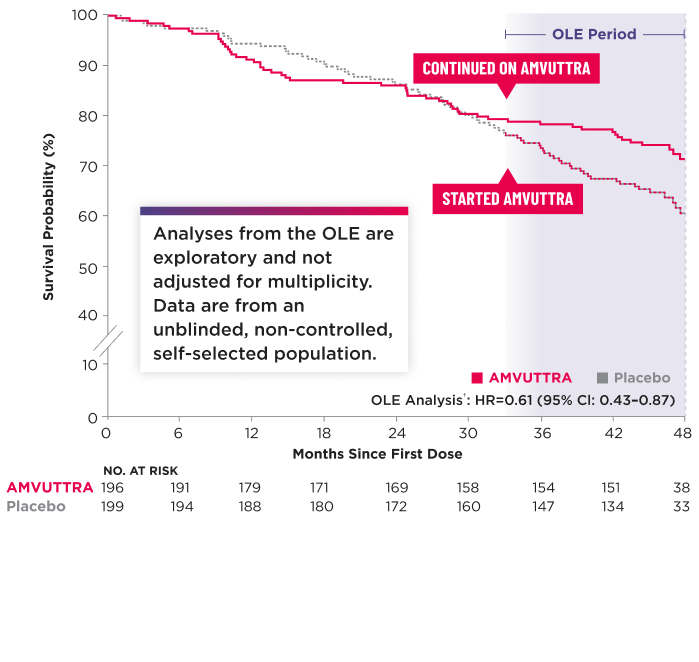
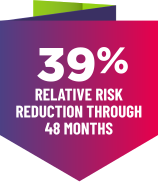
All-Cause Mortality2,4,5*†‡

Chart showing all-cause mortality (monotherapy population)Chart showing all-cause mortality (monotherapy population)
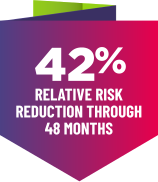
An updated analysis then incorporated additional patient follow-up data that was not controlled for multiplicity. Figure depicts results of updated analysis.

*The Kaplan-Meier curves are unadjusted for baseline imbalances in disease-severity characteristics.3

Heart transplantation and left ventricular assist device placement are treated as death.7

For patients in both treatment arms, survival time was censored 6 months after the first dose in the OLE period.3

§Based on the Social Security Actuarial Life Table, a population with a median age of 77 years and 91% male sex composition has an expected annual mortality rate of 4.1%6

§Initial analysis (May 2024 data cut): 42.4% of patients with data through 42 months. Updated analysis (Nov 2024 data cut): 96.3% of patients with data through 42 months.4

CI=confidence interval; HR=hazard ratio.

OLE data for ACM

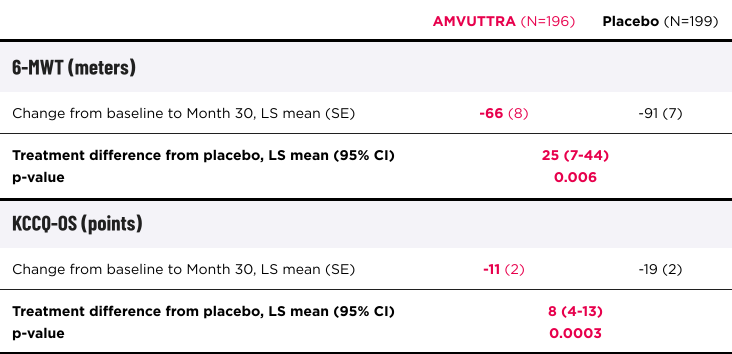
Significant benefit observed in quality of life and functional capacity for patients treated with AMVUTTRA compared with placebo1,7
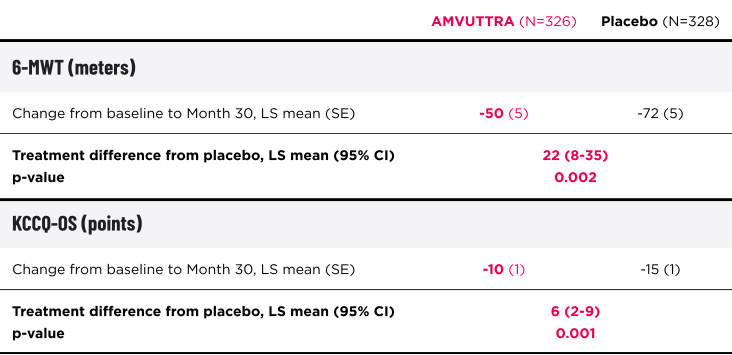
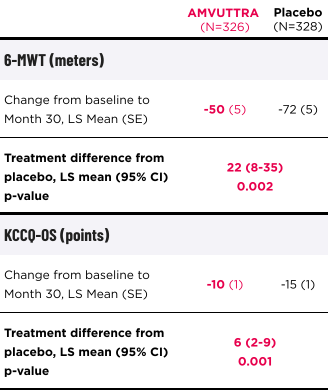
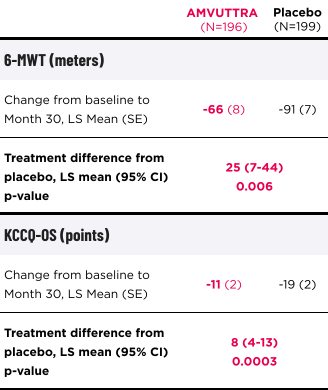
Secondary Endpoints: KCCQ-OS and 6-MWT Change From Baseline at 30 Months1,2*†
Chart showing secondary endpoints: 6-MWT and KCCQ-OS change from baseline at 30 months (monotherapy population)Chart showing secondary endpoints: 6-MWT and KCCQ-OS change from baseline at 30 months (monotherapy population)
Analyses include estimates for missing data (imputed data) to account for death or inability to walk (for 6-MWT only).2

*The KCCQ is a 23-item, self-administered questionnaire that measures the patient’s perception of health status within a 2-week recall period (scoring on KCCQ-OS: 0 to 100, with a higher score indicating better quality of life).3

6-MWT assesses functional capacity by measuring distance walked over a period of 6 minutes. A decrease in the distance walked indicates a decline in functional capacity.10

6-MWT=6-minute walk test; ATTR-CM=cardiomyopathy of transthyretin-mediated amyloidosis; CI=confidence interval; KCCQ-OS=Kansas City Cardiomyopathy Questionnaire-Overall Summary; LS=least squares; SE=standard error.


  • A 5-point change in KCCQ‑OS (a measure of health status and health‑related QoL) is considered clinically meaningful8
  • Healthy adults without ATTR-CM experience a natural decline in 6‑MWT of 5‑6 meters per year9

*The KCCQ is a 23-item, self-administered questionnaire that measures the patient’s perception of health status within a 2-week recall period (scoring on KCCQ-OS: 0 to 100, with a higher score indicating better quality of life).3

6-MWT assesses functional capacity by measuring distance walked over a period of 6 minutes. A decrease in the distance walked indicates a decline in functional capacity.10

6-MWT=6-minute walk test; ATTR-CM=cardiomyopathy of transthyretin-mediated amyloidosis; CI=confidence interval; KCCQ-OS=Kansas City Cardiomyopathy Questionnaire-Overall Summary; LS=least squares; SE=standard error.


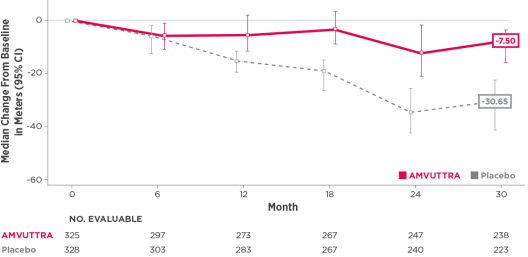
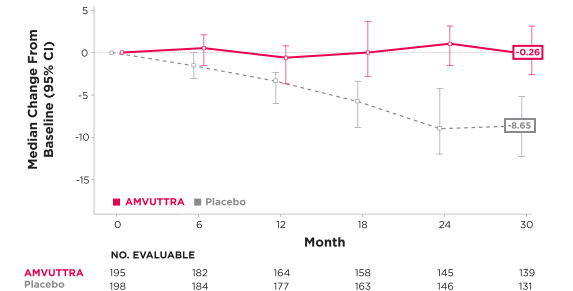
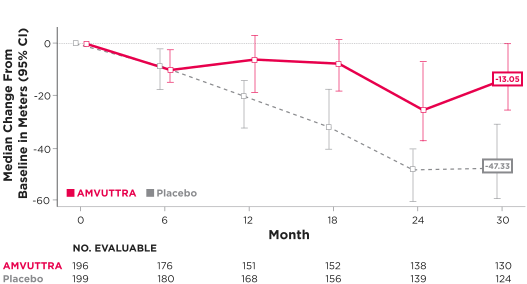
Patients receiving AMVUTTRA maintained relative stability in quality of life and functional capacity3
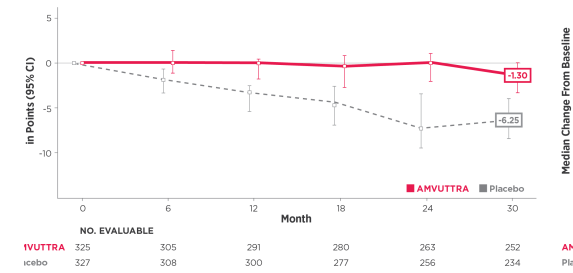
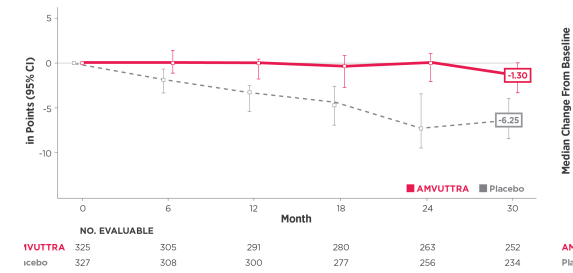
Median changes reflect observed data that were directly measured, not estimated. Statistical testing was not conducted.3
Observed  KCCQ-OS  Score2,3
Chart showing observed KCCQ-OS score (monotherapy population)Chart showing observed KCCQ-OS score (monotherapy population)
Observed 6-MWT2,3
Chart showing observed 6-MWT (monotherapy population)Chart showing observed 6-MWT (monotherapy population)
Patients treated with AMVUTTRA maintained relative stability in their health-related QoL and functional capacity at 30 months compared to their pre‑treatment baselines.3

QoL=quality of life.

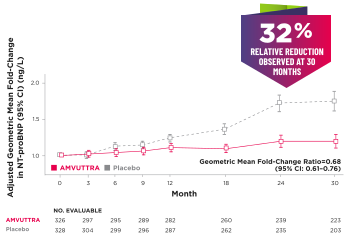
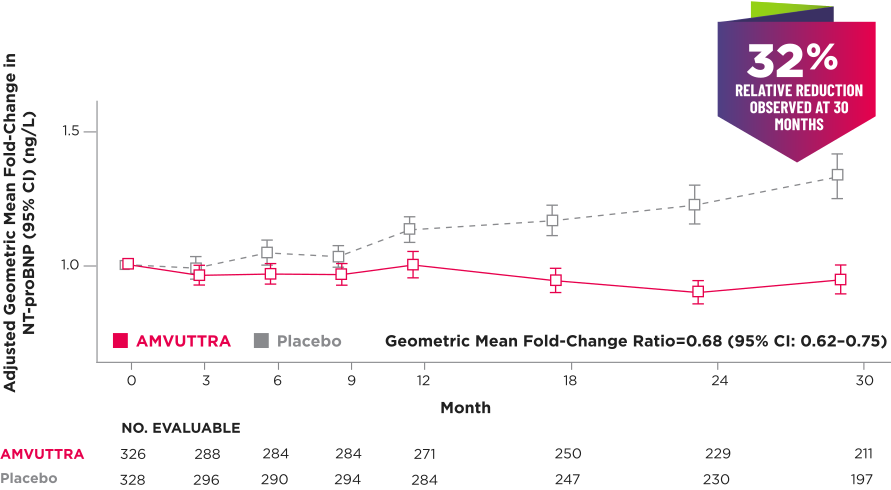
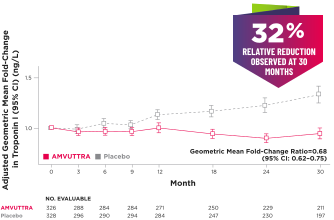
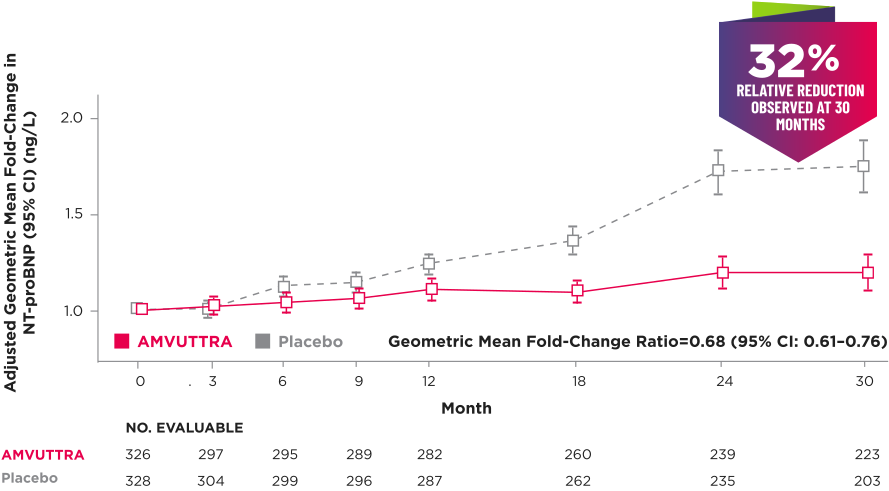
Biomarkers associated with heart failure favored AMVUTTRA over placebo1
Exploratory Analyses
Chart showing NT-proBNP change over time (overall population)Chart showing NT-proBNP change over time (overall population)
  • Analyses were exploratory and not adjusted for multiplicity.3
 

Stay informed

Receive more information about AMVUTTRA.

Connect with us

Starting treatment

Get your patients started on AMVUTTRA.

CV=cardiovascular. 
NYHA=New York Heart Association. 
NT-proBNP=N-terminal prohormone of brain natriuretic peptide. 
6-MWT=6-minute walk test. 
KCCQ-OS=Kansas City Cardiomyopathy Questionnaire Overall Summary. 
ACM=all-cause mortality. 
CV=cardiovascular. 


Important Safety Information

Reduced Serum Vitamin A Levels and Recommended Supplementation

AMVUTTRA treatment leads to a decrease in serum vitamin A levels.

Supplementation at the recommended daily allowance (RDA) of vitamin A is advised for patients taking AMVUTTRA. Higher doses than the RDA should not be given to try to achieve normal serum vitamin A levels during treatment with AMVUTTRA, as serum vitamin A levels do not reflect the total vitamin A in the body.

Patients should be referred to an ophthalmologist if they develop ocular symptoms suggestive of vitamin A deficiency (e.g., night blindness).

Adverse Reactions

In a study of patients with hATTR-PN, the most common adverse reactions that occurred in patients treated with AMVUTTRA were pain in extremity (15%), arthralgia (11%), dyspnea (7%), and vitamin A decreased (7%).

In a study of patients with ATTR-CM, no new safety issues were identified.

For additional information about AMVUTTRA, please see the full Prescribing Information.

Indications

AMVUTTRA® (vutrisiran) is indicated for the treatment of the:

  • cardiomyopathy of wild-type or hereditary transthyretin-mediated amyloidosis (ATTR-CM) in adults to reduce cardiovascular mortality, cardiovascular hospitalizations and urgent heart failure visits.
  • polyneuropathy of hereditary transthyretin-mediated amyloidosis (hATTR-PN) in adults.

For additional information about AMVUTTRA, please see the full Prescribing Information.

References

  1. AMVUTTRA Prescribing Information. Cambridge, MA: Alnylam Pharmaceuticals, Inc.
  2. Data on file. Alnylam Pharmaceuticals, Inc.
  3. Fontana et al. N Engl J Med. 2025;392(1):33-44 (supplement).
  4. Witteles et al. J Am Coll Cardiol. 2025;85(20):1959-1970.
  5. Fontana et al. ESC Congress 2024. London, UK.
  6. Garcia-Pavia et al. ESC Congress 2025. Madrid, Spain.
  7. Fontana et al. N Engl J Med. 2025;392(1):33-44.
  8. Spertus et al. J Am Coll Cardiol. 2020;76(20):2379-2390.
  9. Enright and Sherrill. Am J Respir Crit Care Med. 1998;158(5 Pt 1):1384-1387.
  10. Fell et al. Heart Lung. 2022;52:117-122.
  11. Maurer et al. HFSA Annual Scientific Meeting 2024.